

For small and medium businesses NetraClos supplies cameras, access control, networking and business phones as one accountable partner, sized for a single site with nothing to administer full time. We work with shops, restaurants, clinics, offices and warehouses, and stay on as the one number to call.
Sized for one site, not scaled down from an enterprise
A lot of what gets sold to smaller businesses is an enterprise system with most of it switched off, carrying licence costs for capability nobody uses. That is how a shop or a clinic ends up paying monthly for multi property management it will never need.
We specify for what the site actually is. Where a standalone recorder does the job, that is what goes in. Where a business genuinely has two or three locations, then centralized or cloud starts to earn its cost, and not before.

What we typically do
- Business phone system on desk, browser and mobile
- Cameras covering entrances, tills, stock areas and back of house
- Access control on the front and back doors, with credentials you can revoke
- Cabling, switching and wireless that will take the next few years of growth
- Alarm and intrusion tied in where it makes sense
- One meeting room set up properly rather than four set up badly
You should be able to run it yourself
Adding a member of staff, changing an opening hour or revoking a credential should not need a call to us. Whoever runs the business is shown how before handover, and the credentials are yours.
Room to grow without starting again
Capacity in the cabling and the switching means a second floor, more cameras or another location later is an addition rather than a replacement. That is the part most cheap installs get wrong.

Cameras without a monthly commitment
For a single site a recorder on the premises with the vendor provided free software that comes with it is often the right answer. No licences, no subscription, and the footage stays yours.

One number to call when something stops
The value of a single supplier shows up on the day the camera, the door and the phone all point at each other. There is one party to call and no argument about whose equipment is at fault while nothing is working.
Enterprise discipline at business scale
Smaller sites deserve the same engineering discipline: labelled cabling, segmented networks, supervised access hardware, documented handover, sized to one building and priced like it.
We specify only what the site needs today with clean expansion paths, so growth means adding, not replacing.
Common questions
What security and IT does a small business actually need?
Usually a phone system, cameras sized to one site, access control on the doors that matter and WiFi that reaches the whole space, specified for what the site is rather than scaled down enterprise kit carrying licence costs you will never use.
What does a small business camera system cost to run?
With a standalone recorder and the vendor provided free software, nothing monthly. That is often the right answer for a single site, and we say so.
Can a small business run its own access control?
Yes. Adding staff, changing hours or revoking a credential should not need a call to us; whoever runs the business is shown how before handover.
Can systems grow if we open a second location?
Yes. Capacity in the cabling and switching means growth is an addition, and when a second site genuinely arrives, centralized or cloud management starts to earn its cost, and not before.
Do you work with small businesses across the GTA?
Yes. Shops, restaurants, clinics, offices and small warehouses across Mississauga, Toronto, Brampton, Oakville, Vaughan and the wider GTA make up much of our work. Being close matters for a smaller business, because the same crew that installed the system is the one who comes back when something needs changing, without a long wait or a call centre in between. Businesses further afield in Ontario are handled case by case, so ask.
Related articles
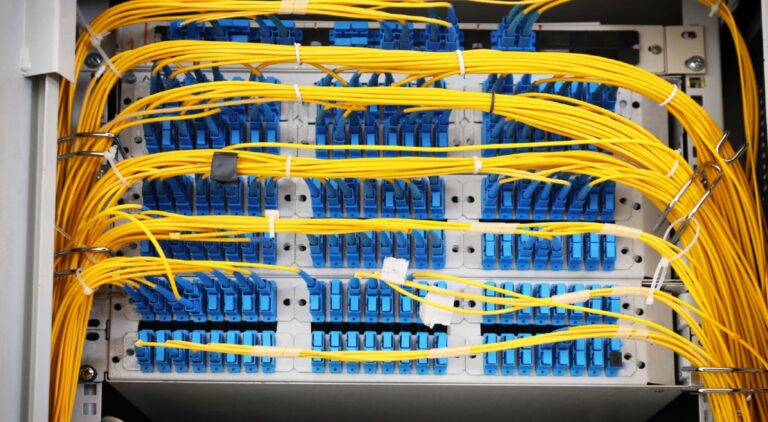
Structured Cabling Explained: MDF, IDF, Patch Panels and Testing

Wi-Fi 6 vs Wi-Fi 6E vs Wi-Fi 7 for Business Networks: What Changes
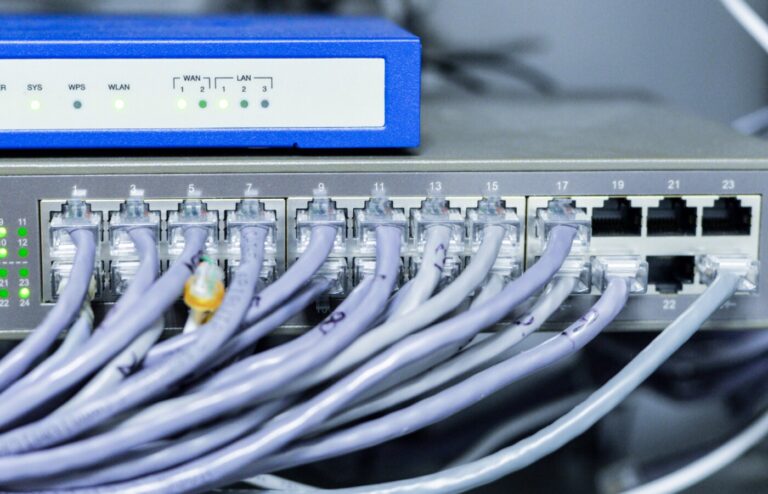
VLANs and Guest Wi-Fi for Small Business Networks: Why They Matter
Lorex vs Ring: Which Camera is Better?
What is 2D & 3D Dynamic Noise Reduction (DNR) in a Security Camera?
One team from design through commissioning
We cover the full project rather than turning up to install somebody else's design. That is what makes the result somebody's responsibility.
Design
We walk the building, work out what it needs to do and produce a design you can actually price against.
Procurement
We source the equipment and stand behind what we specify, so there is one party accountable for it.
Installation
Our own crews on site for cabling, mounting, terminations and containment.
Commissioning
Everything configured, tested and handed over with the records, credentials and documentation.
Tell us about the building
Send us the site and what you are trying to solve. We will tell you what it realistically takes.
Our Partners


