

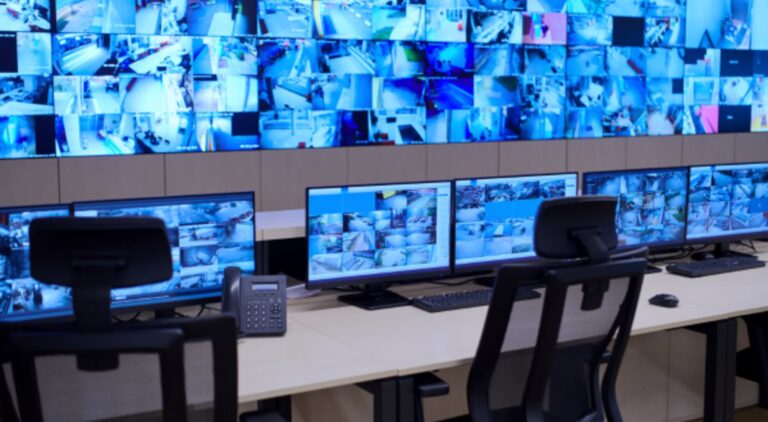
Centralized camera management keeps recording on each site while a management server brings users, permissions, camera views and analytics together in one interface. NetraClos designs and installs it for property groups and multi site businesses, and integrates it with access control where that helps.
Permissions become the point
Once more than one person needs footage, the question stops being whether it recorded and becomes who is allowed to see what. A site manager should reach their own building and not the others. Head office should reach all of them. Somebody who leaves should lose access the same day.
That is what the management server buys you: roles, permissions and properties defined once and applied everywhere, with a record of who looked at what and what they exported.

What the platform does
- Live view and playback across every property from one interface
- Users, roles and permissions set per site and per camera
- Analytics configured centrally rather than box by box
- Consolidated search and export across buildings
- An audit trail of who viewed and exported footage
- Health monitoring, so a camera that stopped recording is noticed
- Integration with access control, intercom, intrusion and visitor systems
- Licensing explained up front, including what growth costs
Analytics that separate activity from movement
People and vehicle detection, line crossing, intrusion into a defined zone, loitering and object detection. The point is not the feature list, it is that a tree moving in the wind stops generating alerts while somebody crossing a boundary still does.
Cameras chosen for the scene, not from a catalogue
Wide angle and panoramic where one view should cover a space, pan tilt zoom where somebody needs to follow activity, low light and infrared where the scene has no lighting of its own, and licence plate recognition on vehicle entrances. The mix follows the site survey.
Video next to the door that opened
Integrated with access control, electronic locks, intercom, intrusion and visitor management, an investigation becomes one timeline rather than four systems compared by hand. That correlation is the main reason estates move to central management.
Health monitoring matters more than it sounds
The worst moment to discover a camera has not recorded for three weeks is when you need the footage. Central management watches the estate and reports what has stopped, which no standalone box can do for you.
Designed around the building
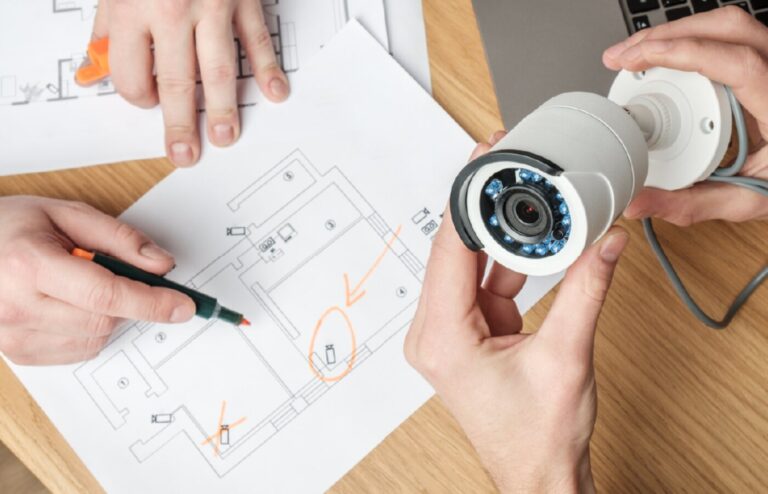
Site assessment, coverage design, camera and lens selection, power over Ethernet budget, storage sized to your retention, then configuration and commissioning with every view checked in the light the scene actually has.
Licensing is a running commitment, and we will say so
This model has a server to maintain and licences to keep current. That is a real ongoing cost, and it is the honest trade for keeping recordings on hardware you own while still administering everything from one place.

Every property on ordinary bandwidth
Because recording stays local, the connection between buildings only carries what somebody is actually watching. Sites that could never afford cloud recording bandwidth run centralized management comfortably, so no property gets left off the system.

One platform, whatever the cameras are
Domes, bullets, turrets, panoramic and pan tilt zoom all report into the same console, so the estate is administered as one system rather than by camera type.
Common questions
What is a video management system (VMS)?
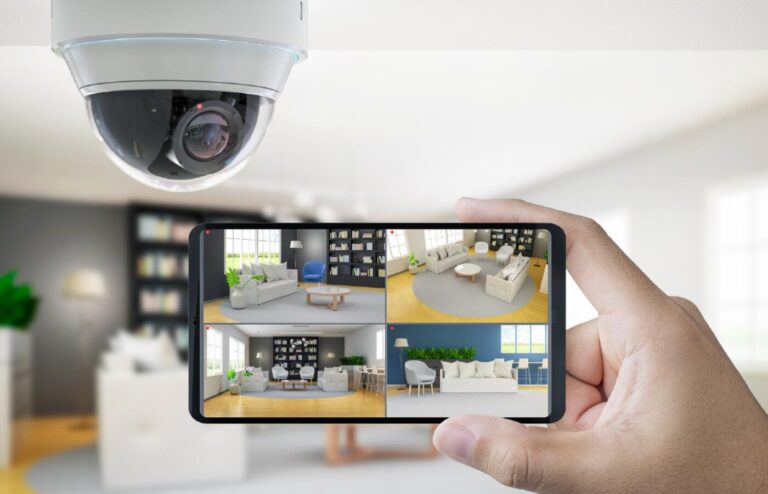
A VMS is management software that brings every camera and recorder across your properties into one interface, with users, roles, permissions and analytics administered centrally while recording stays on local hardware.
Can I manage security cameras across multiple locations from one place?
Yes. Centralized video management gives head office one console across every property while each site keeps its own local recording, so a connection outage at one building never affects the others.
Who can see the camera footage in a centralized system?
Whoever you decide. Permissions are set per role, per site and per camera, with an audit trail of who viewed and exported footage. A site manager sees their building; head office sees all of them.
Does centralized video management need a server?
Yes, a management server you own, plus licences kept current. That is the honest trade for keeping recordings on your own hardware while administering everything from one place.
Can existing cameras be brought into a VMS?
Usually. Most modern IP cameras and recorders can join a management platform, so moving to centralized management is often an upgrade rather than a replacement. We deploy VMS platforms for businesses across Mississauga, Toronto, Brampton, Oakville and throughout Ontario.
Related articles
Commercial Security Camera Installation Cost: What Actually Drives It
Security Camera Resolution and Lens Choice: What Actually Matters
How to Calculate NVR Storage for Security Cameras, With an Example
Lorex vs Ring: Which Camera is Better?
What is 2D & 3D Dynamic Noise Reduction (DNR) in a Security Camera?
One team from design through commissioning
We cover the full project rather than turning up to install somebody else's design. That is what makes the result somebody's responsibility.
Design
We walk the building, work out what it needs to do and produce a design you can actually price against.
Procurement
We source the equipment and stand behind what we specify, so there is one party accountable for it.
Installation
Our own crews on site for cabling, mounting, terminations and containment.
Commissioning
Everything configured, tested and handed over with the records, credentials and documentation.
Tell us about the building
Send us the site and what you are trying to solve. We will tell you what it realistically takes.
Our Partners


