Lorex and Ring come up in the same sentence constantly, usually from somebody outfitting a small business who has seen both at a big box store. They are both real products with real followings, and they are built around opposite ideas of what a camera system is. That difference matters more than any spec sheet.
Two opposite philosophies
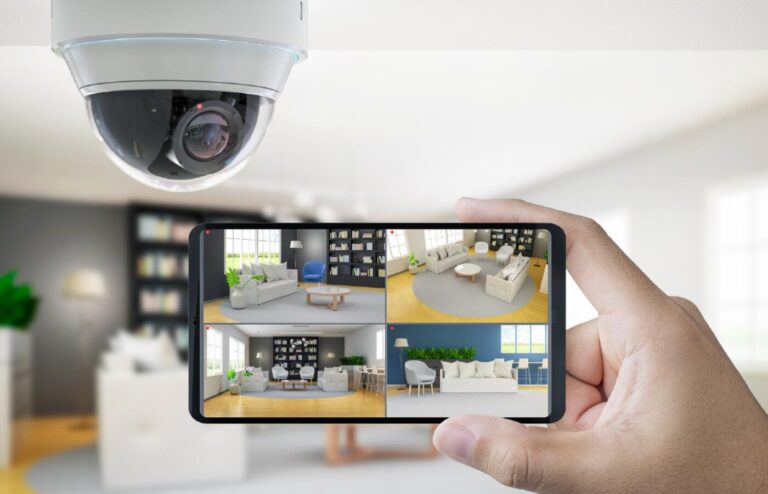
Ring is a cloud service with cameras attached. The hardware is inexpensive and simple to mount, footage goes to the cloud, and a monthly subscription unlocks storage and features. Everything is designed around a phone app and minimal setup.
Lorex is closer to traditional surveillance in consumer packaging. Cameras record to a recorder or a card on site, resolutions run higher, there is no mandatory subscription, and the system keeps recording whether or not the internet is up.
Where Ring fits
Ring earns its place at doorways and small premises where convenience beats depth: a doorbell that announces visitors, a couple of battery cameras watching an entrance, everything visible from a phone in seconds. Setup is genuinely easy, sharing a clip is trivial, and the ecosystem of doorbells, cameras and alarms hangs together well.
The trade offs are structural. Continuous recording is not the design, event clips are. Footage lives in a subscription, so the cost never ends. And everything depends on your internet connection and their cloud being up at the moment that matters.
Where Lorex fits
Lorex suits premises that want real coverage without monthly fees: several cameras, wired power, continuous or scheduled recording held locally for days or weeks. Higher resolutions mean footage that survives zooming, and local storage means the evidence exists even when the network does not.
Its trade offs are the mirror image. Installation is a real job with cables to run. The apps and interface are serviceable rather than slick. And there is no subscription because you are the service: updates, storage health and configuration are yours to own.
The honest comparison
- Fastest setup: Ring
- Ongoing cost: Ring subscription against Lorex owning outright
- Recording depth and resolution: Lorex
- Works through internet outages: Lorex
- Doorbell experience: Ring
- Growing past a handful of cameras: Lorex, with caveats
When the answer is neither
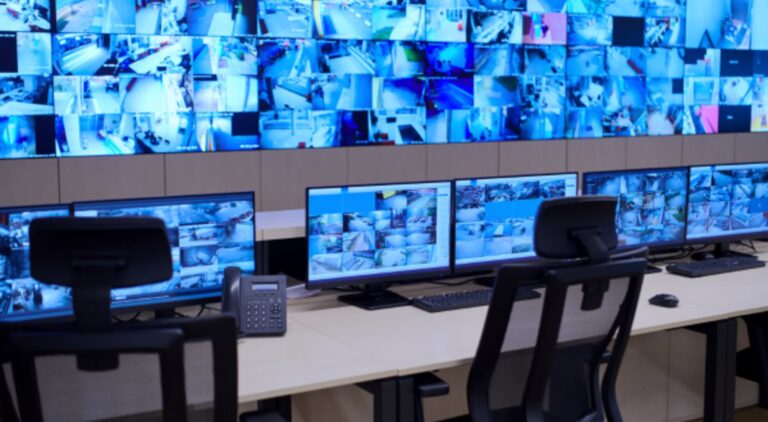
Both are consumer products, and it shows at the edges. When footage becomes evidence, when insurers ask about retention, when coverage spans a loading dock, a floor of guest rooms or a parking level, when more than a few people need controlled access to video, or when cameras must integrate with door access and alarms, the conversation has left the consumer aisle.
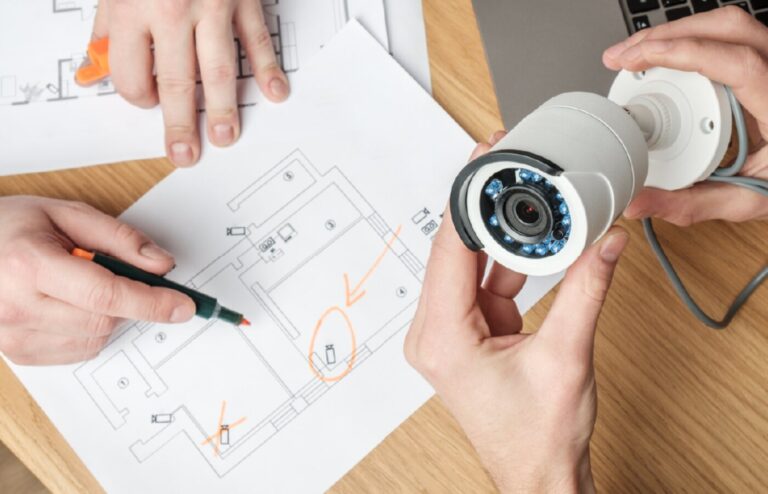
Commercial systems exist for exactly those requirements: cameras selected per location rather than per bundle, recording sized to a retention policy, coverage designed from entrances outward, and support that answers when something fails. They cost more because they are doing a different job.
For a front door and a till, either brand can serve well, and the comparison above should settle which. For a building, the better question is not which of these two, but whether this class of product fits the risk you are covering.