

For high rise and multi residential buildings NetraClos designs and installs intercom, resident suite locks, perimeter access control, garage control, wireless and cameras as one system, so a resident is recognised once and every door follows. One project team works with the condominium board, developer or property manager from design through handover.
Residents turn over, the building does not
People move in and out constantly. Every change means credentials issued and revoked, and in a building of any size that becomes the daily work rather than an occasional task. It has to be quick and it has to be certain.
We design these buildings so intercom, suite locks, perimeter doors, garage and cameras sit on one system, managed from one place. Not because it is tidier, but because one system is the only way a small management team keeps up.

What the package covers
- Intercom to suites, answered on a handset or a phone
- Resident credentials for suite doors, issued and revoked centrally
- Perimeter and common doors on the same credential
- Garage and vehicle access tied into the same system
- Wireless through corridors, amenity floors and parking
- Cameras across lobbies, corridors, parking and back of house
Move in and move out is the real test
The measure of one of these systems is how long it takes to hand a new resident their access and take the previous one away. If that is a five minute job, the building has been built properly.

Then it repeats, floor after floor
What works on one floor has to work identically on twenty. Consistency is what stops a building becoming twenty slightly different buildings stacked on top of each other.

Common areas are where residents judge it
Parcel rooms, bike storage, amenity floors and roof access all sit on the same credential as the front door. Residents rarely mention the twenty doors that work, and always mention the one that needs something different.
Systems that survive turnover
High rise technology is judged years after handover: can new management run it, can credentials turn over daily, can one failed device be replaced without a specialist. We build with standards based, supervised hardware and hand over documentation the next manager can actually use.
Intercom, access, cameras and parking are integrated so the concierge desk sees one building, not four systems.
Common questions
What technology does a high rise residential building need?
Intercom to suites, resident credentials for suite and common doors, garage access on the same credential, corridor and amenity WiFi, and cameras across lobbies, parking and back of house, administered as one system.
How do residents get access when they move in?
Credentials are issued centrally in minutes and revoked the same way at move out. That turnover speed is the real measure of a residential access system.
Can the intercom, locks and garage run on one system?
Yes, and they should, because one system is the only way a small management team keeps up with constant turnover.
What happens to building access during an outage?
Controllers carry battery backup and doors are configured to fail safely, so egress always works and credentials keep working through an outage.
Do you work on condo and apartment buildings in Toronto?
Yes. High rise and multi residential buildings are a large part of our work, across Toronto, Mississauga, Vaughan, Markham, Brampton and the wider GTA. That covers new construction, where we work alongside the builder, and occupied buildings, where suite locks, intercom and access control are changed floor by floor without leaving residents locked out. Condominium boards and property managers further afield in Ontario are handled case by case, so ask.
Related articles
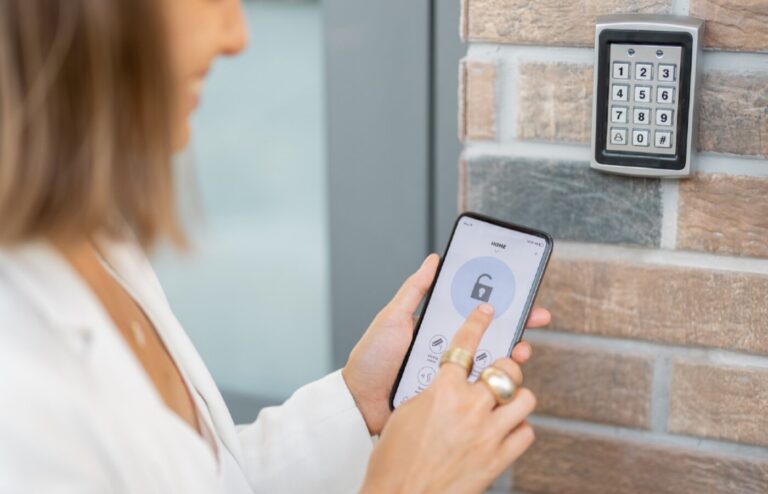
Mobile Key vs RFID Cards for Hotel Door Locks: How to Choose
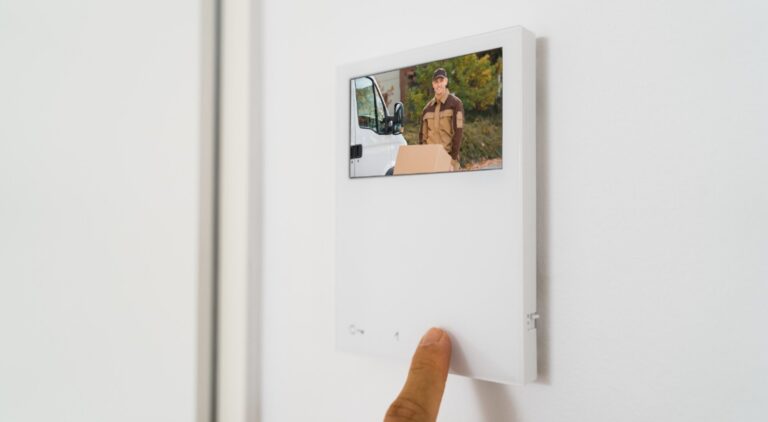
How Video Intercom Systems for Condos and Apartment Buildings Work
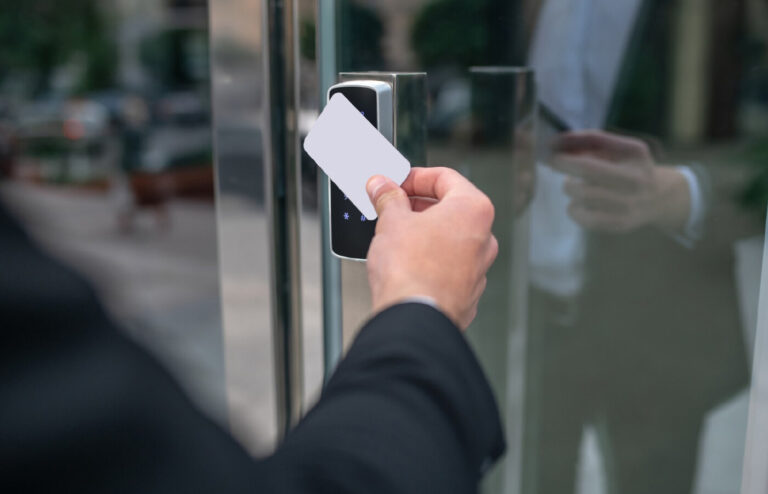
Mobile Credentials vs Key Cards for Office Access Control Systems
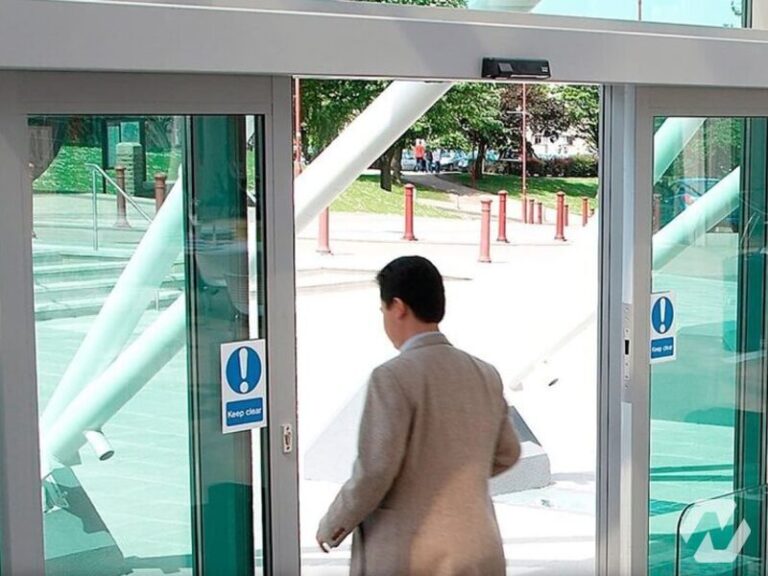
What is an Access Control System and How Does it Work?
What is a Paging System and How do Paging Systems Work?
One team from design through commissioning
We cover the full project rather than turning up to install somebody else's design. That is what makes the result somebody's responsibility.
Design
We walk the building, work out what it needs to do and produce a design you can actually price against.
Procurement
We source the equipment and stand behind what we specify, so there is one party accountable for it.
Installation
Our own crews on site for cabling, mounting, terminations and containment.
Commissioning
Everything configured, tested and handed over with the records, credentials and documentation.
Tell us about the building
Send us the site and what you are trying to solve. We will tell you what it realistically takes.
Our Partners


