

A hybrid camera system keeps primary recording on local recorders and adds cloud connectivity for remote access, central management and, where it matters, a second copy of critical footage. NetraClos designs and installs hybrid surveillance for businesses that want local control with cloud reach.
Two architectures, and the difference matters
Hybrid is not one thing. The first architecture keeps every recording on site and uses the cloud purely for reach: remote viewing, alerts and administration. The second keeps recording on site as well, but replicates chosen footage to the cloud so a second copy exists off the premises.
Which one you want is a question about risk, not about features. If losing the recorder would mean losing the evidence, redundancy earns its cost. If the recorder is in a locked room and the concern is simply getting to the video from elsewhere, the first architecture is enough and cheaper to run.

What you get
- Local recording at full resolution, retained on hardware you own
- Remote live view and playback from a computer, tablet or phone
- Central management and permissions across every property
- Optional cloud copy of event clips, chosen cameras or set periods
- Analytics for people, vehicles, intrusion, line crossing and loitering
- Alerts on the events you choose, reaching people who are on shift
- Existing recorders and cameras retained where they are suitable
- Storage sized from camera count, resolution, frame rate and retention
Why most multi property owners end up here
Pure cloud is limited by upload bandwidth. Pure on site is limited by reach. Hybrid takes the recording from one and the access from the other, and bandwidth is usually the constraint that decides it.
Redundancy is selective on purpose
Copying every camera continuously to the cloud costs what pure cloud costs, which defeats the point. We work out what actually needs a second copy, so the protection lands where the risk is rather than across everything equally.
Recording does not depend on the connection
The internet dropping does not stop the cameras recording, because the primary copy is local. You lose remote viewing while it is down, and the cloud copy catches up afterwards.
Each site stands on its own
Every building keeps its own recorder and works independently, while authorized people keep one view across the estate. One site losing connectivity is not an estate wide outage.
An upgrade path rather than a replacement
Cloud management is layered over what is already installed, so existing recorders and cameras usually stay. Buildings that started standalone or centralized can move here without starting again.
Where it fits
Hotels and hospitality, retail groups, corporate offices, commercial buildings, warehousing and industrial sites, and any portfolio where each property needs to work on its own while somebody keeps sight of all of them.

Local storage with cloud redundancy
The same local recording, with selected footage copied to the cloud as well: event clips, motion triggered video, specific cameras or particular hours. If the recorder is damaged, stolen or tampered with, the footage that mattered is already elsewhere.

Planned once, across both halves
Local recording and cloud management are designed together rather than bolted on, so retention, bandwidth and permissions agree from the start.
Common questions
What is a hybrid security camera system?
Local recorders keep the primary footage on site while the cloud provides remote access and central management. When extra protection matters, selected footage is also replicated to the cloud for redundancy.
Should my business use cloud or local camera storage?
If losing the recorder would mean losing evidence, cloud redundancy earns its cost. If the concern is simply reaching video from elsewhere, local recording with cloud access is enough and cheaper to run. We design around that risk question.
Can hybrid systems reuse my existing cameras and NVR?
Usually yes. Cloud management is layered over suitable existing recorders and cameras, so hybrid is an upgrade path from a standalone or centralized system rather than starting again.
Does hybrid recording depend on the internet connection?
No. The primary copy records locally, so cameras keep recording through an outage. Remote viewing pauses and the cloud copy catches up afterwards.
Which businesses benefit most from hybrid video surveillance?
Hotels, retail groups, corporate offices and multi property portfolios across Ontario, from Mississauga and Toronto to Hamilton, Oakville and Brampton, where each building must work on its own while somebody keeps one view across the estate.
Related articles
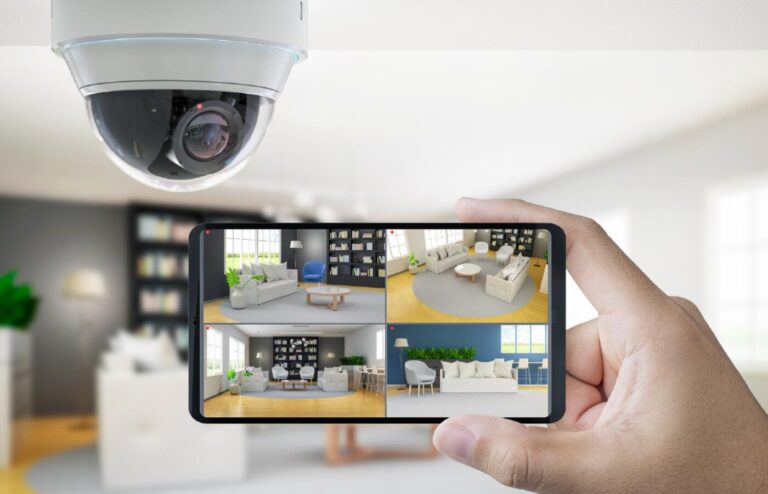
Commercial Security Camera Installation Cost: What Actually Drives It
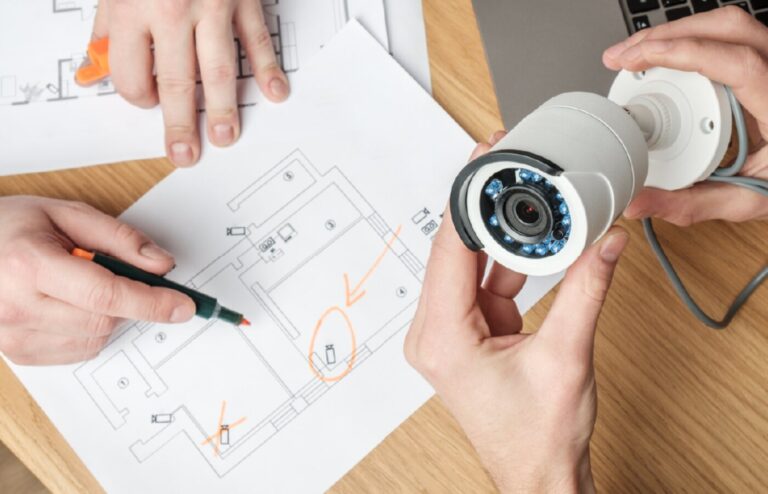
Security Camera Resolution and Lens Choice: What Actually Matters
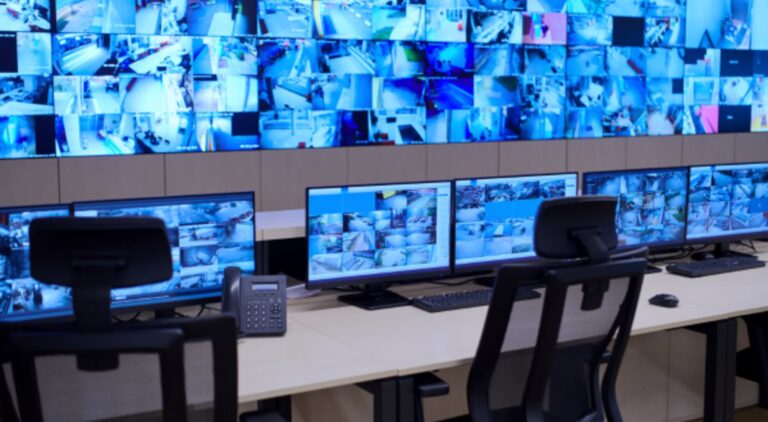
How to Calculate NVR Storage for Security Cameras, With an Example
Lorex vs Ring: Which Camera is Better?
What is 2D & 3D Dynamic Noise Reduction (DNR) in a Security Camera?
One team from design through commissioning
We cover the full project rather than turning up to install somebody else's design. That is what makes the result somebody's responsibility.
Design
We walk the building, work out what it needs to do and produce a design you can actually price against.
Procurement
We source the equipment and stand behind what we specify, so there is one party accountable for it.
Installation
Our own crews on site for cabling, mounting, terminations and containment.
Commissioning
Everything configured, tested and handed over with the records, credentials and documentation.
Tell us about the building
Send us the site and what you are trying to solve. We will tell you what it realistically takes.
Our Partners


