Most buildings start the same way. One site, one recorder in a cupboard, cameras wired back to it, and somebody on staff who knows how to pull a clip when it is needed. That works, and it keeps working right up until the day it does not: a second location opens, the person who knew the system leaves, or an insurer asks for footage from four months ago and nobody is sure the recorder kept it.
The choice between a standalone recorder and centralized management is really a choice about who has to think about the system, and how often.
What a standalone system actually is
Cameras run back to a recorder that lives in the building. Everything happens on that box: it holds the video, it manages the retention, and it is where somebody goes to search and export. Access from outside is added afterwards, usually through an app tied to that one recorder.
It is the right answer more often than the industry likes to admit. One building, one team, someone on site who can walk to the cupboard: a standalone recorder is simpler to understand and there is no ongoing platform to manage. When it fails you know exactly where to look.
What it does not do is scale sideways. A second site means a second recorder, a second login, a second retention setting, and two places to check when a policy changes.
What centralized management changes
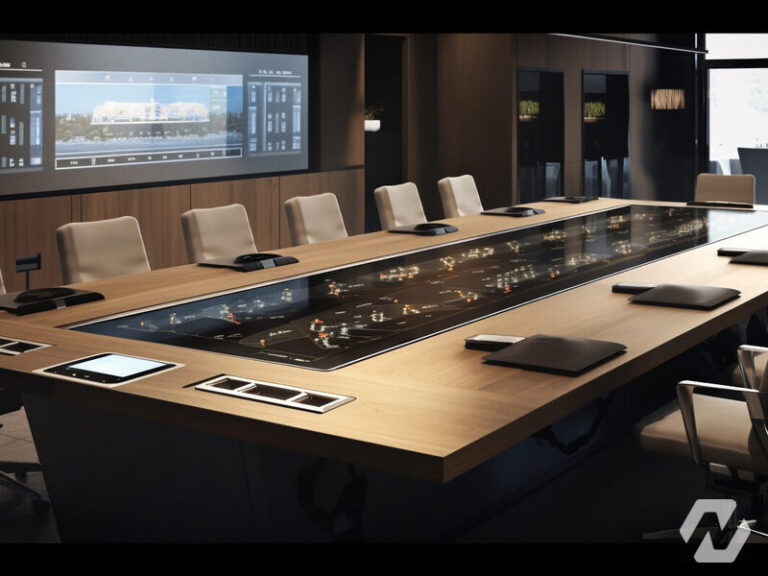
Sites still record locally. What changes is that every recorder reports into one management layer, so a single login reaches every camera across every building. Users are created once. Retention is set as a policy rather than a per box setting. When somebody leaves the organization their access is removed in one place instead of at each site in turn.
The value shows up in the boring parts. Someone asks for footage from the loading dock at another site and nobody has to drive there or find out who has the password. A camera stops reporting and the system tells you, instead of being discovered during an export three weeks later.
The questions that decide it
How many sites, and who watches them
One building with staff on site leans standalone. The moment a second location appears, or the people who need footage are not the people in the building, the effort of managing separate systems starts to outweigh the simplicity of each one.
Who has to produce footage, and how fast
If exports are occasional and one person handles them, a standalone recorder is fine. If several managers need clips, or requests arrive with a deadline attached, one searchable place across all cameras stops being a luxury.
What your IT policy expects
Named accounts, access removed on departure, an audit trail of who exported what: these are ordinary IT requirements, and they are difficult to satisfy on a set of independent recorders. Centralized management was designed around exactly that.
What happens when something fails
Both approaches record locally, so a network problem does not lose footage. The difference is whether you find out. A managed system reports a camera or a disk that has stopped behaving. A standalone recorder waits to be checked.
The honest answer
A single building with somebody on site who owns the system does not need centralized management, and paying for it there is paying for a problem you do not have. Two or more sites, staff turnover, or anyone outside the building who needs footage, and the calculation reverses quickly. The cost of centralized management is predictable. The cost of five recorders that nobody has checked since installation is not.
The decision is worth making before the cameras go in, because the cabling and the recorder sizing follow from it. Retrofitting central management onto equipment chosen for a standalone life is possible, and it is more expensive than deciding once at the start.
Common questions
Does centralized management mean my video leaves the building?
Not by itself. Recording still happens on site. What travels is the management traffic and whatever you choose to view or export.
Can I start standalone and move later?
Usually, if the cameras and recorder were chosen with that in mind. It is worth saying out loud at design time, because it changes what gets specified.
Is one more reliable than the other?
Neither is inherently more reliable. Centralized management makes failures visible sooner, which in practice is what determines whether footage exists when somebody asks for it.
What about a site with only a few cameras?
A small camera count on its own does not justify central management. A small camera count at each of several sites often does.
If you are weighing this up for a specific building, the useful conversation is about how many sites you expect to have in three years and who will be asked for footage. Those two answers decide it more reliably than the camera count does. Tell us about the building and we will work through it with you.