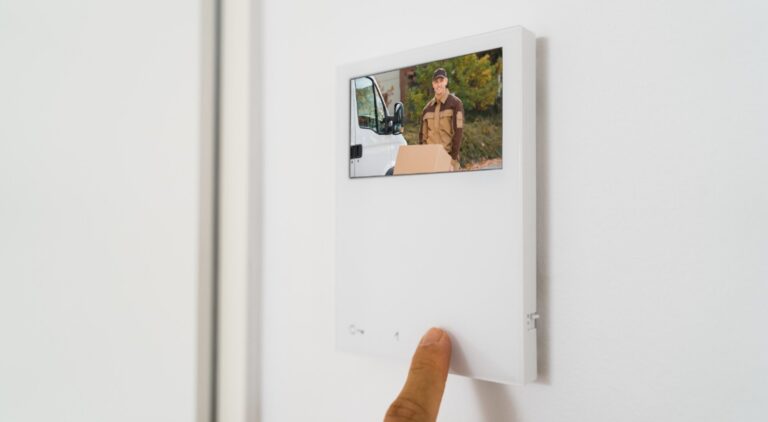
The locks on the guest room doors are due for replacement, or the brand is asking for a mobile key, and the general manager wants to know whether the property should move to phones, stay with cards, or somehow do both. It is a decision about guest experience and front desk workload as much as hardware, and it does not have to be made all at once.
How each key works
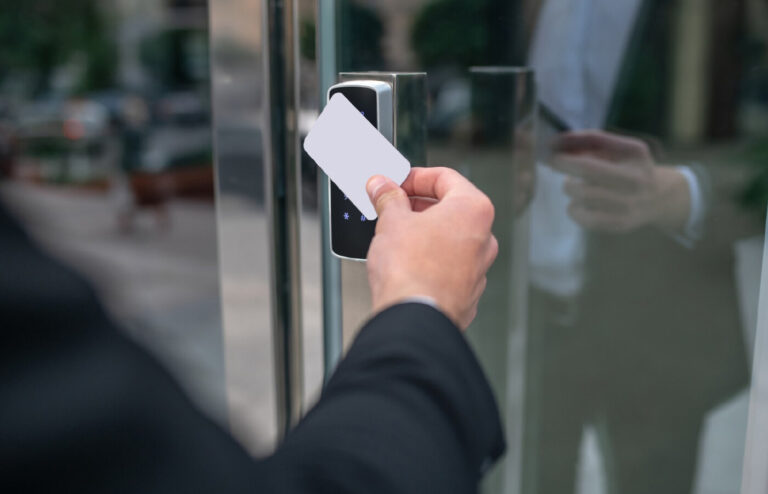
An RFID card is a contactless credential encoded at the front desk with the room number, the stay dates and any additional doors the guest may open, such as the fitness room or the parking gate. The guest taps it on the lock, the lock reads it and checks it against its own rules, and the door opens. In most hotels the lock is offline: it does not talk to anything, which is why the card carries the dates and why a lost card is handled by encoding a new one that supersedes it at the door.
A mobile key puts that credential on the guest’s phone. When the reservation is confirmed and the room is assigned, the property management system tells the lock platform to issue a key to the guest’s app, and the phone opens the door over Bluetooth Low Energy when it is held near the lock. The lock still makes its own decision locally, so the phone does not need signal in the corridor, only when the key was first delivered.
Guest experience and the front desk
The obvious win for mobile key is arrival. A guest who has checked in on the app can walk past the desk to the room, which matters at a busy airport property at midnight and less at a boutique hotel where the greeting is part of the stay. Lost and demagnetised cards disappear as a category, and a guest who extends the stay has the key updated without returning to reception. Housekeeping and maintenance credentials move to phones or fobs the same way, with a record of who entered which room and when.
Cards remain valuable. Not every guest wants an app, group and tour arrivals often need keys handed out in bulk, and a physical card is easy to give to a family member. Many properties find that mobile adoption grows over time and that the front desk still encodes cards for many guests. Our hospitality lock systems work is planned around that mix rather than a wholesale switch.
Batteries, connectivity and online locks
Guest room locks run on batteries, and any lock that listens for Bluetooth uses power to do so. Modern locks manage this well, but battery replacement schedules belong in the plan, and locks that send a low battery warning to the platform save housekeeping from discovering a dead lock on a guest’s arrival.
Offline versus online
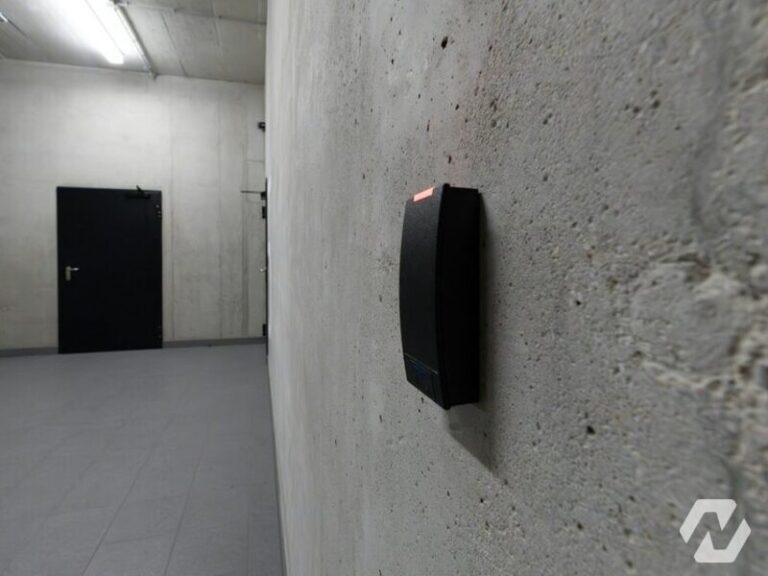
Offline locks are simple and rugged, and they are the norm on guest room doors. Online locks connect back to the platform through gateways or hubs on each floor, which lets the front desk cancel a key instantly, see door events in real time and change access without touching the lock. Online connectivity is most useful on back-of-house doors, staff entrances and any door where instant revocation matters, and it makes mobile keys more capable because a key can be updated on the lock rather than only on the phone.
Integration with the property management system
The lock platform is only as good as its link to the property management system, the software that knows which guest is in which room for which dates. When the two are properly integrated, check-in encodes the card or issues the mobile key without re-typing, a room change moves the key, an early check-out cancels it, and the housekeeping status flows the other way. When they are not, staff work in two systems and errors follow guests to the wrong door.
Confirm during selection that the lock platform has a supported interface to your property management system, and to the brand’s guest app if the property is flagged. That question decides whether mobile key is a two-week project or a two-year one, and it is one of the first things we check on hospitality technology projects.
Staged migration
The sensible path for most properties is to install locks that read both cards and phones, keep encoding cards on day one, and switch on mobile key when the app and integration are ready. Locks can be replaced floor by floor during low occupancy, with the old and new systems running in parallel and the encoders configured to issue cards for both. Guests notice nothing except that the door opens, and the front desk is never left without a working method.
Common questions
Do guests need mobile data or Wi-Fi to open the door with a phone?
No. The key is delivered to the phone over the internet once, usually well before arrival, and the phone then talks directly to the lock over Bluetooth in the corridor. A guest with no signal on the guest floor still gets in. What the guest does need is a charged phone with the app installed, which is why keeping cards available as a fallback remains sensible.
Are mobile keys more secure than RFID cards?
Both are secure when the system is modern and properly managed. Mobile keys benefit from the phone’s own lock screen and from encryption between phone and lock, and they can be revoked without the guest returning a card. Encrypted contactless cards are strong as well; the weakness in hotels tends to be process, such as cards encoded for the wrong dates or staff cards not cancelled. Choose the platform on integration and manageability first.
Can we add mobile key without replacing every lock?
Sometimes. Some existing lock models accept a Bluetooth module or reader upgrade, and some platforms support a mixed estate where certain floors are mobile ready and others card only. More often, older locks are replaced, but this can be staged floor by floor. An installer will confirm what the current locks support before recommending replacement.
What happens when a guest’s phone dies?
The front desk encodes a card for the room, exactly as it would today, and the mobile key remains valid once the phone is charged. Properties that keep card encoding running alongside mobile never face a guest locked out with no remedy. Some locks also accept a staff override credential so a manager can escort a guest in while a replacement key is arranged.
If your property is planning a lock replacement or a mobile key rollout, we can help you choose locks that keep both options open and stage the changeover around occupancy. See our hotel lock system services, or get in touch and tell us about the property.