The lobby panel still works, mostly, but residents complain that it rings a landline nobody has any more, couriers leave parcels on the step, and the board is asking whether the whole thing should be replaced. A modern IP video intercom answers all three complaints, and it changes how the front door of a multi-residential building is managed. Here is how the pieces fit together, and what a retrofit involves.
The entry panel
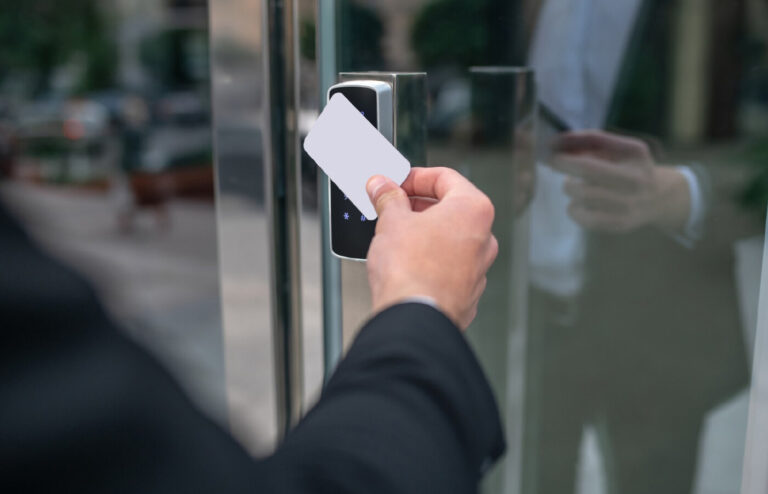
The visible part is the panel at the door: a weatherproof unit with a camera, a microphone and speaker, and either a touchscreen directory or a keypad with a small display. A visitor finds the resident by name or suite number and presses call. The camera captures the visitor’s face, and the panel usually carries a reader as well, so residents can enter with a fob, a card or their phone at the same door. Good panels sit at a height where a wheelchair user can reach the screen and a standing visitor is properly framed by the camera, and they are lit so the picture is usable at night.
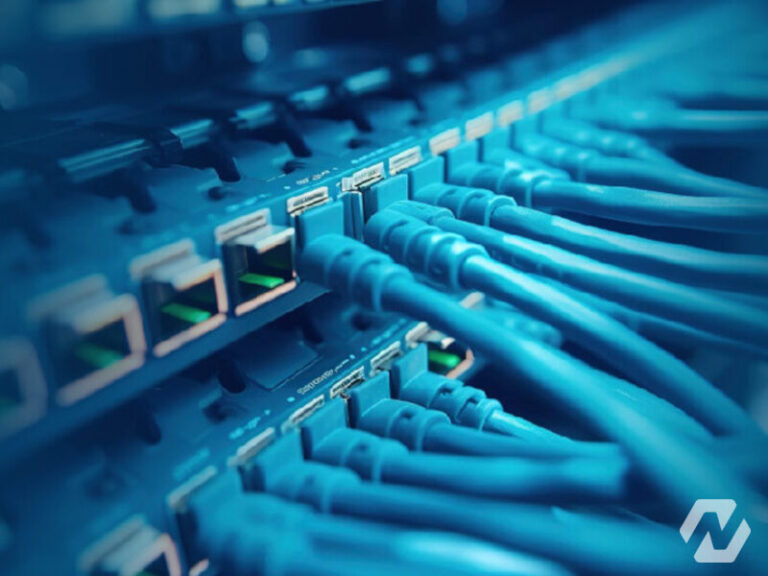
Behind the panel, the unit is a network device. It connects over a Cat6 run to a switch in the building’s telecom room, is powered over that cable, and speaks to residents through the building’s internet connection rather than a bank of telephone lines. Our video intercom systems page describes the current generation of panels in more detail.
How the call reaches the resident
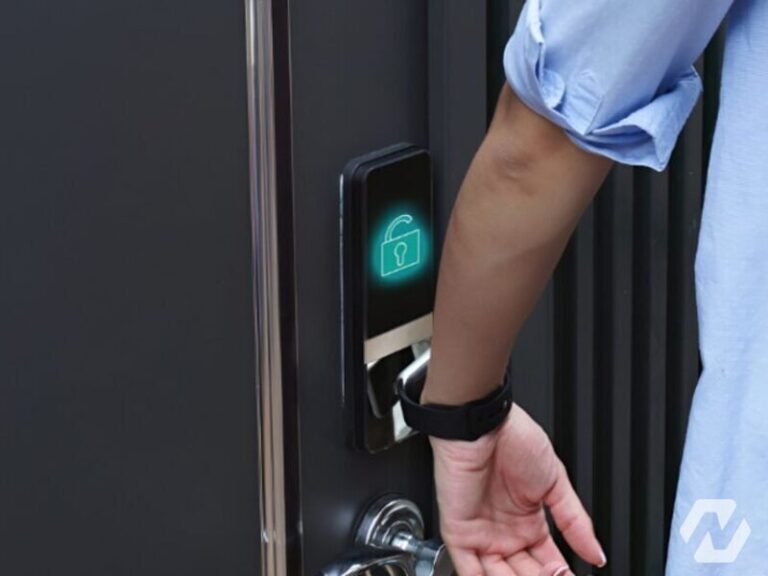
This is the piece that has changed most. Instead of ringing a wall handset or a landline, the panel places a video call to an app on the resident’s phone. The resident sees who is at the door, talks to them, and taps to release the lobby door, whether they are in the suite, at work or on holiday. Most systems also fall back to ringing an ordinary phone number for residents who prefer not to use an app, and the resident can still open the door with a keypad tone.
Because the call goes wherever the resident is, missed deliveries and visitors kept waiting largely disappear. Every call and door release is logged with a snapshot of the visitor, which gives property management a record when something goes wrong.
Deliveries without a resident
Couriers are the largest single source of lobby traffic in most buildings. Modern intercoms allow a resident to issue a temporary code or a one-time link to a delivery driver, and property management can set up a delivery window during which approved carriers use their own code. Combined with a camera on the door, this ends the choice between parcels left outside and a resident being interrupted at work.
Integration with locks and management
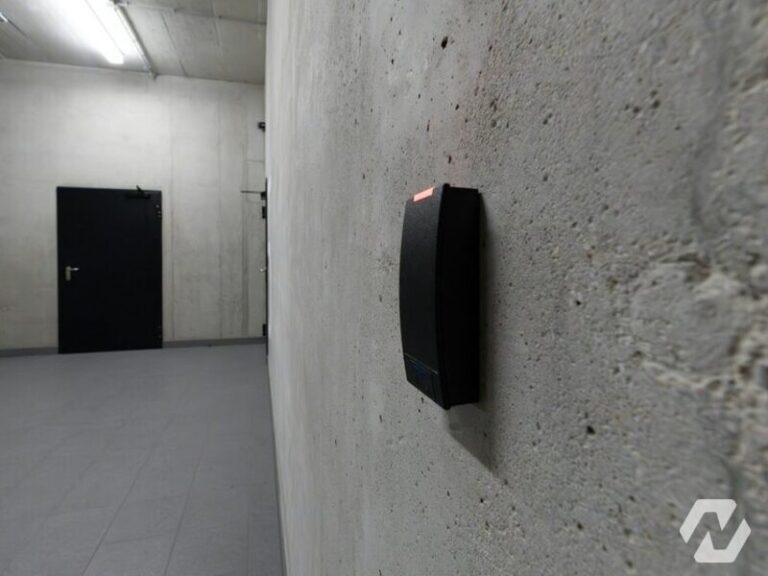
An intercom used to be an island. Today the same platform that runs the lobby panel can manage the fob readers on the parking garage, amenity rooms and side doors, and in newer buildings it can talk to electronic suite locks, so a resident’s phone opens the front door, the elevator and their own apartment. Our multi-family lock systems work covers that suite-door layer.
On the management side, the resident directory can be kept in step with the property management software, so a move-in or move-out updates the intercom automatically rather than waiting for somebody to type names into a panel. Fobs can be disabled the moment a tenancy ends, guest access can be granted for a contractor for one afternoon, and the superintendent can open the door for a locked-out resident from a phone. For a high-rise, this is one component of a wider system, described on our high-rise building solutions page.
Retrofitting an existing building
The worry with any older building is the wiring. Most legacy intercoms run on a pair of thin conductors from the panel to each suite, or on the building’s telephone pairs. A modern IP system does not need any of that to reach the suite, because the call travels over the internet to the resident’s phone. What it needs is a single network cable from the panel to the telecom room and an internet connection, both of which are far easier to add than rewiring every floor.
Where a building wants a physical station inside each suite as well, some manufacturers offer adapters that carry a network signal over the existing pair, and where even that is impractical, cellular-connected panels remove the need for building internet altogether. The retrofit is usually done in a day or two at the door, with the old panel kept live until the new one is commissioned, and residents are enrolled in the app in stages so nobody is locked out during the change.
Common questions
Do residents have to use a smartphone app?
No. The app gives the richest experience, with video and one-tap door release, but nearly every system can also ring an ordinary mobile or landline number and accept a keypad tone to open the door. Some buildings keep a physical station in a few suites for residents who prefer it. Offering both routes at enrolment avoids resistance and means nobody is left unable to answer the door.
What happens if the building internet goes down?
Calls to residents’ phones will not connect until service returns, since they travel over the internet. Fob and card entry keeps working, because the panel holds its permitted list locally, and the door hardware still releases from inside. Many buildings add a cellular backup to the panel or a second internet path so that the outage is brief and rarely noticed. It is a reasonable point to raise when the system is being specified.
Can the new intercom use the old wiring to the suites?
Usually the old wiring is simply retired, because a modern intercom reaches residents through their phones rather than through a wire to the suite. Where in-suite stations are wanted, adapters exist that carry a network signal over the existing pair, and their suitability depends on the condition and length of that wiring. An installer will test a sample of runs before recommending either approach.
How are deliveries handled when nobody is home?
Residents can issue temporary codes or one-time links to a driver, and management can grant approved carriers a delivery window with their own credential. Each use is logged with a snapshot from the panel camera. Paired with a parcel room or lockers behind the lobby door, this lets deliveries complete without disturbing anyone and without packages left outside, which is one of the most noticed improvements after an upgrade.
If your building is weighing a replacement, we can look at the existing panel, wiring and network and lay out the options with the board or property manager. See how we design video intercom systems, or get in touch to arrange a site visit.