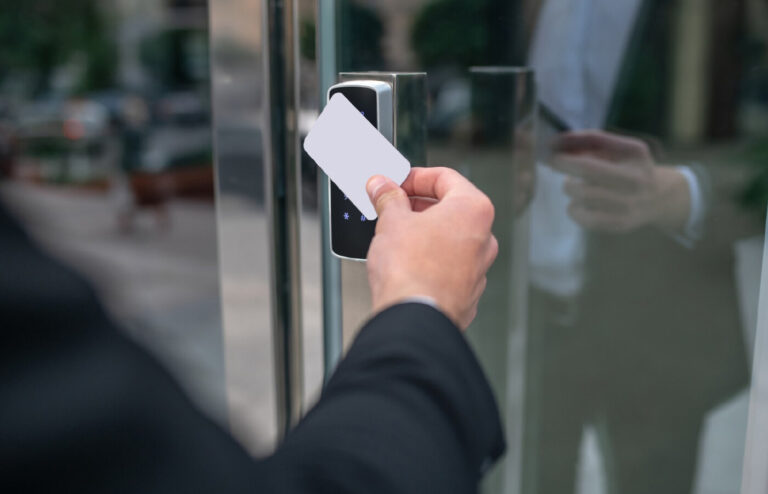
The lock on a commercial door is not the interesting part any more. What matters is what opens it, who decides that, and what record is left behind. Once a door answers to a card, a fob, a code or a phone instead of a cut key, you are choosing an access system, and the hardware follows from that choice rather than leading it.
The word people reach for is digital lock, and it is not quite right. Digital describes the electronics. What you are actually buying is a credential lock: a lock that opens for a credential you can issue, limit and take back, without touching the door.
What changes when the key becomes a credential
A cut key is anonymous, permanent and copyable. A credential is none of those. It belongs to a person, it can be limited to certain doors and certain hours, and when somebody leaves it is removed in a minute instead of a locksmith visit. The door keeps a record of who opened it and when.
That is the whole case for credential locks in a building, and it is why the decision starts with the people and the doors, not the product.
The types, and where each fits
Standalone locks
Battery powered, programmed at the door, no wiring. Right for a small number of doors that do not need central management: a store room, an office suite, a small clinic. The limit is exactly that: no central view, and every change is a walk to the door.
Wireless managed locks
Still battery powered and quick to fit, but they report back to a management system, so credentials are issued and revoked in one place and the door’s activity is visible. This is the usual answer for suites, guest rooms and multi residential units, where running cable to every door is not practical.
Wired access control
Readers, controllers and electric strikes or maglocks, cabled and powered from a panel. Instant response, no batteries to service, integration with intercom, alarm and cameras. This is what perimeter and common doors get, where reliability and integration matter more than fitting speed.
Most buildings end up with a mix: wired on the perimeter and common doors, wireless on the suites and rooms behind them, on one system.
Things to decide before anyone quotes
Which credential
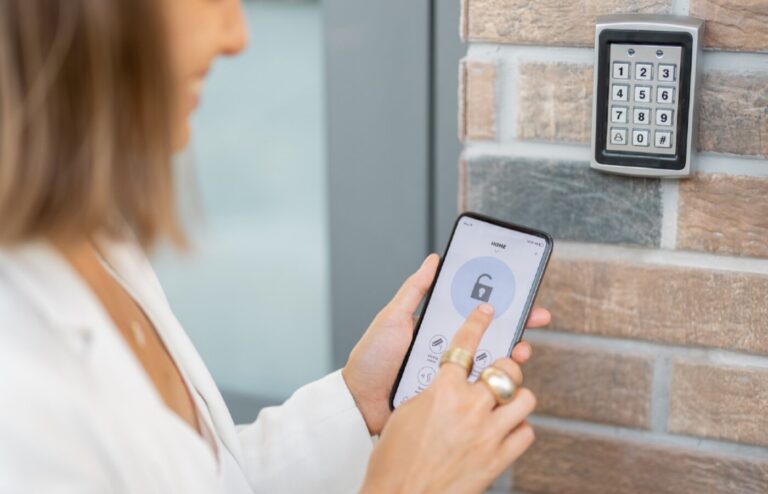
Card and fob are simple and cheap to replace. Mobile credentials remove the plastic and suit staff who already carry a phone. Codes suit visitors and trades. Most systems can do more than one; the question is which one your people will actually use without calling you.
Who administers it
Somebody has to add starters, remove leavers and answer “who was in the storeroom on Tuesday”. If that person is off site, the system needs to be reachable off site. If nobody wants the job, that decides against anything that needs daily attention.
What the door does when things fail
Batteries run down, power drops, networks fall over. Ask, door by door, whether it stays locked or unlocks when that happens, and whether that is the answer fire code and your insurer expect for that door.
What it has to talk to
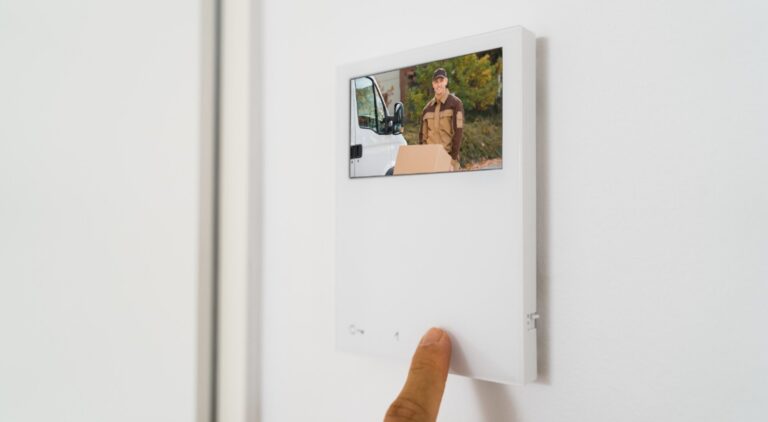
Intercom on the front door, alarm on the perimeter, cameras on the lobby, a property system in a hotel. Locks that cannot join those become a second system somebody has to manage separately.
The doors themselves
Fire rated doors, doors with closers, aluminium storefront, glass: each limits what hardware is allowed. A survey of the actual doors before ordering avoids the discovery, at installation, that the chosen lock does not fit or is not permitted.
What installation actually involves
The lock is a small part of the job. Wired doors need cable back to a panel, power, and a controller sized for the door count with room to grow. Wireless doors need a gateway with real coverage of every lock, not just the ones near it. Every credential lock needs commissioning: schedules set, users loaded, fail states tested with the door closed, and a handover so the person administering it can do so without calling us.
The honest answer
For a handful of interior doors with a trusted small team, a standalone credential lock is fine and cheaper than the alternatives. The moment you have staff turnover, more than one site, or somebody asking for a record of who went where, managed locks on one system pay for themselves quickly, and retrofitting management onto standalone hardware later is the expensive route.
Decide the credential and who administers it first. The right hardware falls out of those two answers.
Common questions
Can these go on our existing doors?
Usually. Standalone and wireless locks generally replace the existing lockset. Wired access control adds a reader and a strike or maglock to the frame. Fire rated and glass doors need checking first.
What happens when the battery dies?
Battery locks warn well ahead, and every reputable model has a mechanical override or an external power point for emergencies. Ask to see it before you buy.
Are they secure against copying?
Modern encrypted credentials are far harder to copy than a metal key. Older proximity formats can be cloned, which is a reason to specify current formats and to be able to revoke a credential the moment it is lost.
Do we lose access if the internet is down?
No. Locks and controllers keep working from their stored permissions. What you lose during an outage is live monitoring and remote changes, which resume when the connection does.
If you are weighing this for a building, the useful first conversation is which doors, how many people, and who will run it. Perimeter door access control and hospitality and multi residential locks are the two pages that describe how we do it, and you can tell us about the building from either.